







Search Results for: Remi Sultan Variety
Front Street Colombia Wine Process Coffee Beans: A Complete Guide to Flavor Characteristics, Grind Parameters, and Cloud Estate Origins
In recent years, red wine processing has attracted much attention in the specialty coffee world. Drawing on the fermentation control concepts used in winemaking, it intervenes in pH, temperature, humidity, and microbial conditions to give coffee beans a rich acidity and complex aroma reminiscent of red wine. This article will start with the flavor differences between lactic acid fermentation and acetic acid fermentation, outline the specific operational process of red wine processing, and combine it with the origin information of Front Street Colombia Red Wine Process—the eastern slopes of the Andes in Cundinamarca Department, a growing altitude of 1,800 to 2,000 meters, and the anaerobic fermentation practice of Remi Sultan in sealed metal containers—to provide coffee lovers with a complete set of flavor descriptions and grinding setting references. [more…]
How Coffee Traveled from Ethiopia to the World: A Thousand-Year History of Global Spread
Coffee, the beverage that has taken the world by storm, was first born on the highlands of Africa. From its origins as a medicinal plant in Ethiopia, to its rise as an everyday drink on the Arabian Peninsula, and then to its status as a courtly treasure of the Ottoman Empire, coffee traveled westward along trade routes and conquests, eventually taking root in Europe and giving rise to a unique café culture. This article will trace the complete journey of coffee from its discovery to its global reach, covering key milestones in Yemen, Turkey, Venice, Paris, Vienna, London, the Netherlands, Germany, and the United States, while also preserving Front Street Coffee's recommendations and insights on coffee culture. [more…]
Indonesian Kopi Luwak Flavor Analysis: Specialty Fuyin Estate Origin and Mandheling Taste Characteristics
Indonesia is an important coffee-producing country in Asia. Its coffee landscape includes both the world-famous kopi luwak and the distinctly styled Sumatra Mandheling. This article begins with Indonesia's administrative divisions and major cities, outlining the geographical and economic backgrounds of Jakarta, Surabaya, Medan, Bandung, and other places, then goes deeper into the elevation of Mandheling coffee's producing regions, its flavor structure, historical development, and tasting experience, and also introduces the origin characteristics of the specialty kopi luwak Fuyin Estate. Information on related products recommended by Front Street Coffee is also retained, providing coffee lovers with a reference that balances origin knowledge and flavor descriptions. [more…]
The Origin and Spread of Coffee: A Historical Journey from the Ethiopian Highlands to European Coffeehouses
The exact origin of coffee still has no definitive conclusion. The most widely circulated account points to the highlands of Kaffa Province in southwestern Ethiopia—where a shepherd noticed that his flock became unusually lively after eating a certain plant. Others believe it was only after a wildfire burned down a coffee forest that the roasted aroma drew people's attention. From initially chewing the fruit for stimulation and mixing ground coffee into flour to make "warrior bread," to boiling it in water as a beverage around 1000 AD, coffee has traveled a long road. In the 13th century, it spread with Ethiopian troops into Yemen and entered the Arab world, then passed through Turkey into Europe, and eventually was cultivated on a large scale in South America. After prices fell, it became a daily drink for Europeans. This article sorts out the key milestones in coffee's journey from its place of origin to global dissemination, helping coffee lovers understand the historical context behind this cup. [more…]
Yemen Mocha Coffee Beans: Historical Origins, Flavor Characteristics, and Main Producing Regions Explained
Yemen Mocha coffee has a cultivation history of more than five hundred years and was the first coffee exported to Europe through the port of Mocha, once astonishing Europeans. Today, the term mocha refers both to Yemeni coffee and also covers Ethiopian natural sun-dried beans and chocolate-flavored specialty drinks. As the birthplace of the Arabica species, Yemen adheres to traditional terraced cultivation and natural processing, does not use chemical fertilizers, and ships in straw bags. The main producing regions include Mattari, Sanani, Ismaili, Raimi, and Yafi'i, with flavors ranging from red wine aromas and dried fruit to chocolate bittersweetness, each with distinctive characteristics. Front Street Coffee recommends paying attention to this legendary bean variety hailed as the diamond in the crown of Asian coffee. [more…]
Yemen Mocha Coffee Flavor Characteristics and Pour-Over Tasting Guide: A Full Analysis from Origin Grading to Classic Producing Regions
Yemen was the first country in the world to cultivate coffee on a large scale, and the export history of the port of Mocha has given this coffee a legendary quality. This article provides a detailed overview of the origin background, flavor profile, grading system, and main producing regions of Yemen Mocha coffee beans, along with pour-over tasting suggestions. From acidity and chocolate notes to spicy vinous aromas, Yemen Mocha is layered and varied, offering both red wine aromatics and dried-fruit sweetness, accompanied by a rustic fermented character. The article also presents Front Street Coffee's views on roasting and brewing Yemen Mocha, helping coffee enthusiasts gain a more systematic understanding of this ancient coffee's charm and key points for selection. [more…]

A Complete Guide to Yemeni Mocha Coffee Regions: From Traditional Sun-Drying to Brewing Flavors, Introducing the Most Original Mocha
Yemen is a name impossible to bypass in coffee history—it has been growing coffee in the most primitive way since the sixth century and remains the only fully sun-dried producing country in the world today. The mocha coffee produced here once captivated seventeenth-century Europeans and became the original meaning of the word "mocha." This article takes you into Yemen's coffee world: from the rise and fall of the port of Mocha, to the flavor differences among classic producing regions such as Mattari, Sanani, and Ismaili; from the agricultural predicament under the double assault of khat and drought, to farmers turning berries on the rooftops of stone houses in the ancient sun-drying method. We will also share Front Street Coffee's roasting curve and brewing parameters for the V60, cake cup, and KALITA three-hole dripper to help you fully understand this complex and wild coffee. [more…]

A Complete Guide to African Coffee-Producing Countries: From Ethiopia to Tanzania, a Specialty Flavor and Origin Guide
Africa, as the continent of coffee's origin, nurtures coffee beans with highly distinctive flavors thanks to its unique climate and terrain. From Ethiopia's Yirgacheffe to Kenya's AA grade, and from Yemen's Mocha to Tanzania's Kilimanjaro, each producing region displays alluring fruit acidity and regional character. This article systematically reviews the cultivation history, varieties, processing methods, and flavor characteristics of Africa's major coffee-producing countries, and includes information on various cooperatives and representative bean lots, making it suitable for coffee enthusiasts who want an in-depth understanding of the full picture of African specialty coffee. [more…]
A Complete Guide to the World's Twelve Great Specialty Coffee Regions: The Flavor Geography from Colombia to India
The flavor code of coffee is often hidden in the land where it grows. From the Andes in South America to the highlands of Africa, from the Caribbean islands to the archipelagos of Asia, each producing region shapes an unrepeatable landscape in the cup through its unique climate, altitude, and processing methods. This article will take you on a visit to twelve globally recognized high-quality coffee origins—Colombia's balanced smoothness, Ethiopia's wild wine-like aroma, Jamaica Blue Mountain's scarce legend, Yemen Mocha's complexity and variability, as well as the distinctive personalities of Kenya, Indonesia, Hawaii, and other places. Whether you are a beginner pour-over enthusiast or a seasoned player looking for your next bag of beans, this origin guide can help you build a clearer flavor coordinate system. Front Street Coffee will also accompany you in understanding the origins while finding the cup that suits you. [more…]
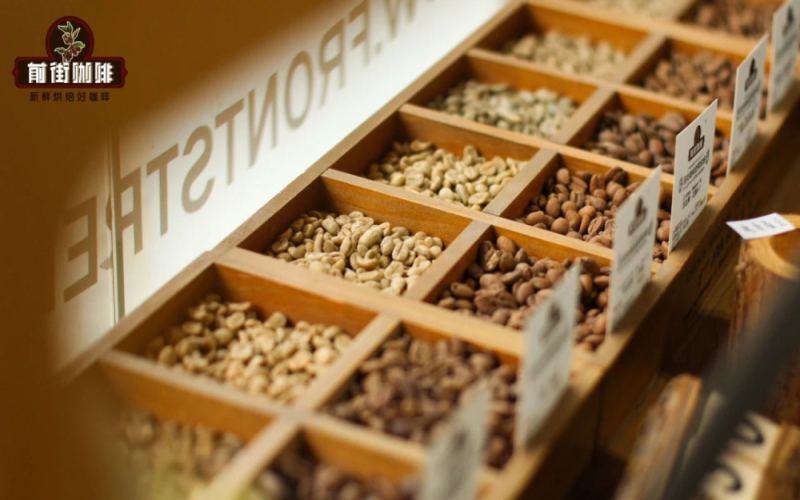
The Origin and Flavor Code of Arabica Coffee Beans: A Full Analysis from Variety Characteristics to Common Subspecies and Hybrids
Why can Arabica coffee beans become synonymous with specialty coffee? From the perspective of Front Street Coffee, this article systematically sorts out the core differences between Arabica and Robusta in flavor, growing conditions, and caffeine content, and introduces one by one the origins and flavor characteristics of common Arabica-derived subspecies and hybrid varieties such as Typica, Bourbon, Caturra, Geisha, Catimor, and SL28. It also includes the producing regions, altitudes, processing methods, and flavor descriptions of several representative coffee beans in Front Street Coffee stores, helping coffee enthusiasts fully understand the Arabica variety system so they can more accurately select coffee beans that match their personal preferences. [more…]

What is the papaya (Papayo) coffee variety? Introduction to the new coffee variety papaya.
In recent years, the coffee market has been very interested in some rare or exclusive coffee varieties, and recently some special varieties have appeared in the public view through coffee competitions, among which there is the papaya variety (Papayo) [more…]
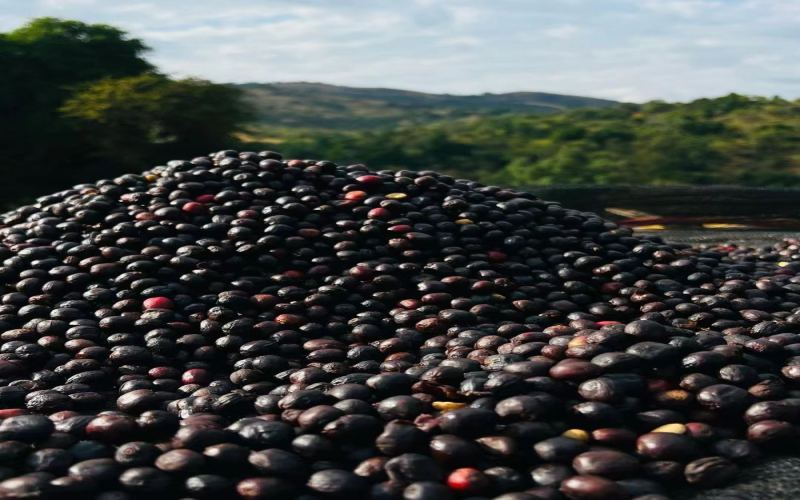
Ethiopian Coffee Variety Analysis: Characteristic Differences Between the Native Heirloom Variety and the Numerically Bred Varieties 74158, 74112, and 74110
Ethiopia, as coffee's genetic treasure trove, has a variety system far more complex than one might imagine. The Heirloom native variety label commonly seen on the market is actually a collective term for mixed-harvest varieties, not a single specific variety. The numeric codes such as 74110, 74112, and 74158 that have frequently appeared in recent years originate from JARC's disease-resistant breeding program in the 1970s. This article will systematically sort out the classification of Ethiopian coffee cultivation models, the essential meaning of Heirloom, the origin of the 74-series numeric varieties, and the identification and naming of Landrace local varieties, helping coffee enthusiasts understand the variety information on Ethiopian coffee bags. [more…]
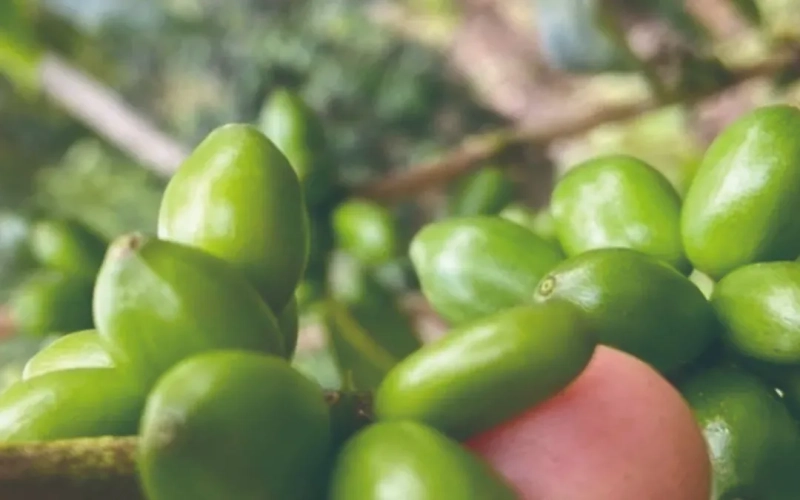
Exploring the Papayo Coffee Variety: Analysis of a Rare Rising Star from Huila, Colombia, and Its Flavor Potential
The coffee world is never short of surprises, and recently a variety called Papayo is making its way into the public eye through the competition stage. Its name comes from the coffee fruit's resemblance to a papaya, and it is mainly rooted in producing regions such as Huila, Colombia. Although it is often mistakenly believed to be related to Obligon, the World Coffee Research Institute points out that there is no evidence to support this claim. According to Miller Bustos, owner of Finca El Mirador, this variety has high yields, performs best in flavor at altitudes between 1,400 and 2,000 meters, and is suitable for washed, natural, and honey processing, capable of presenting chocolate, caramel, tropical fruit, and a silky mouthfeel. This article will take you through an in-depth understanding of the Papayo variety's origin controversies, current cultivation status, processing methods, and cup potential, along with Front Street Coffee's recommended perspective. [more…]
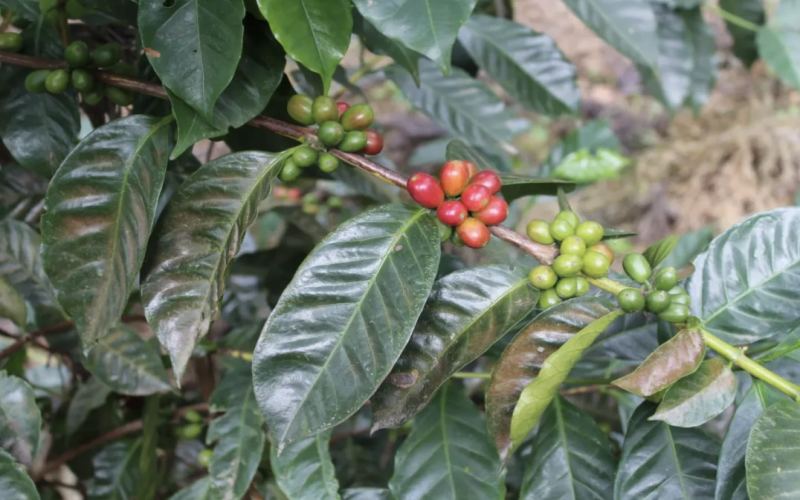
Some new coffee varieties: sidra, Eugenio Des, Wush Wush, and the variety introduction of Laurina.
Coffee can be divided into three major varieties: Arabica, Robusta, and Liberica. Currently, Arabica and Robusta are the most commonly used coffee tree species for commercial planting. With the development of the coffee industry, the coffee varieties [more…]

A Comprehensive Analysis of Indonesian Java Coffee: Are Production Regions, Varieties, and the Java Variety Actually the Same Thing?
The word Java actually encompasses three different references in the coffee world: it can be an Indonesian growing region, the name of a coffee variety in the cup, or used as a broader umbrella term. This article, from the perspective of Front Street, first introduces the geography and historical background of Java Island as Indonesia's second-largest coffee-producing region, then traces back to the Dutch introduction of Typica to Java and the later shift from Arabica to Robusta. It then focuses on clarifying the true identity of the Java variety—it did not originate in Indonesia but is a local variety selected in Ethiopia and later introduced elsewhere—and distinguishes the physical differences between long-berry and short-berry Java. After reading, you will understand: the Java variety can be called Java coffee, but Java coffee is not necessarily the Java variety. [more…]

2024 Nicaragua Cup of Excellence Results Announced: Pacamara Variety Debuts and Wins Runner-Up
The results of the 2024 Nicaragua Cup of Excellence (COE) competition were recently announced, with the Geisha variety continuing its strong performance, sweeping first, third, and fourth places, among which the natural Geisha won the championship with 91.10 points. However, the most eye-catching aspect of this competition was undoubtedly the Parainema variety, which made its first appearance in Nicaragua, winning second place with 89.85 points. This rare variety, which previously won the 2017 Honduras COE, has what kind of genetic origins behind it? Can it break buyers' prejudice against the cup quality of leaf rust-resistant varieties? This article will provide a detailed interpretation of the origins, development, and outstanding performance of Parainema in this competition, while also introducing Front Street Coffee's attention to and recommendation of this variety. [more…]
What exactly are Arabica coffee beans? A full analysis from variety origins to Typica, Bourbon, Caturra, and Catuai
People often say "100% Arabica," but what exactly does Arabica refer to? Is it a country, a producing region, or a coffee variety? In fact, Arabica is just one of the three major coffee species, the other two being Robusta and Liberica, and Arabica is widely used in specialty coffee due to its outstanding flavor. Its caffeine content is about 0.8%-1.5%, yet it accounts for about 75% of global production, but its growing conditions are demanding—it is vulnerable to frost, drought, and leaf rust. In this article, Front Street Coffee will guide you through the origin of the name Arabica, its spread and history, and the common varieties derived from it, such as Typica, Bourbon, Caturra, and Catuai, along with the origin and flavor information of representative coffee beans for each variety, to help you choose your ideal coffee more clearly. [more…]

2022 BOP Competition Hacienda La Esmeralda Chicho Gayo: Is It a Geisha Variety? Unveiling the High-Scoring Coffee in the Traditional Group
The results of the 2022 Best of Panama (BOP) green bean competition are in, and beyond the rankings of the various estates, one coffee bean that broke the historical high-score record in the Traditional category—Chicho Gayo from Hartmann Estate—has sparked heated discussion. Is it actually a Geisha variety? Why was it disqualified last year, yet this year won the Traditional category championship? This article will take you deep into the origins of this coffee bean, the story of its variety cultivation, and its connection to and differences from Geisha. At the same time, we will also share the overall performance of this year's BOP competition under climate challenges, as well as Front Street Coffee's attention to and recommendation of this bean. Whether you are a coffee enthusiast or a professional in the industry, this article will unveil the mystery of Chicho Gayo for you. [more…]

Are Huakui and Geisha Actually the Same Variety? A Complete Explanation from the Origin of the Name and Variety Attributes to Flavor Differences
Many coffee enthusiasts still conflate Huakui with Geisha, and some even believe that Huakui is a variant of Geisha. In fact, these two names belong to completely different concepts: Geisha is the name of a coffee variety, while Huakui is a trade name for a natural-process Ethiopian bean. Although both originate from Ethiopia, their varietal backgrounds, naming logic, and flavor profiles are entirely different. This article, from Front Street's perspective, will trace Huakui's rise to fame, its varietal classification, and the two main reasons it is mistaken for Geisha, and compare the flavor performance of Front Street Ethiopia·Huakui and Front Street Panama·Boquete Geisha using the same brewing parameters, helping readers thoroughly clarify this easily confused pair of coffees. [more…]
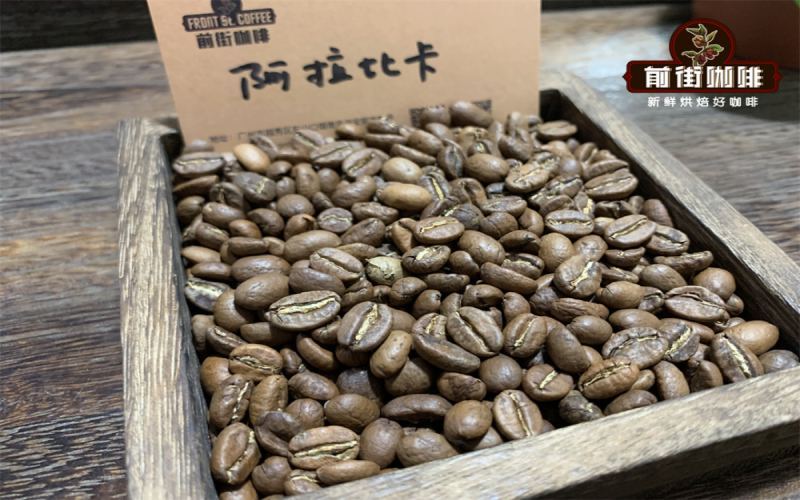
A Complete Analysis of Arabica Coffee Beans: From Variety Origins to the Flavor Characteristics of Typica, Bourbon, Caturra, and Catuai
Many people drink Arabica every day, yet may not truly understand it. Arabica is not a single variety, but one of the three major coffee species, with the best flavor and a caffeine content of only 0.8%-1.5%, while accounting for about 75% of global production. But it is inherently delicate, able to grow only at high altitudes, vulnerable to frost and drought, and prone to coffee leaf rust. From the perspective of Front Street Coffee, this article traces the origin of the name Arabica and its spread, and introduces one by one the characteristics and representative beans of several common derived varieties—Typica, Bourbon, Caturra, and Catuai—to help coffee lovers more accurately choose the cup that suits them. [more…]